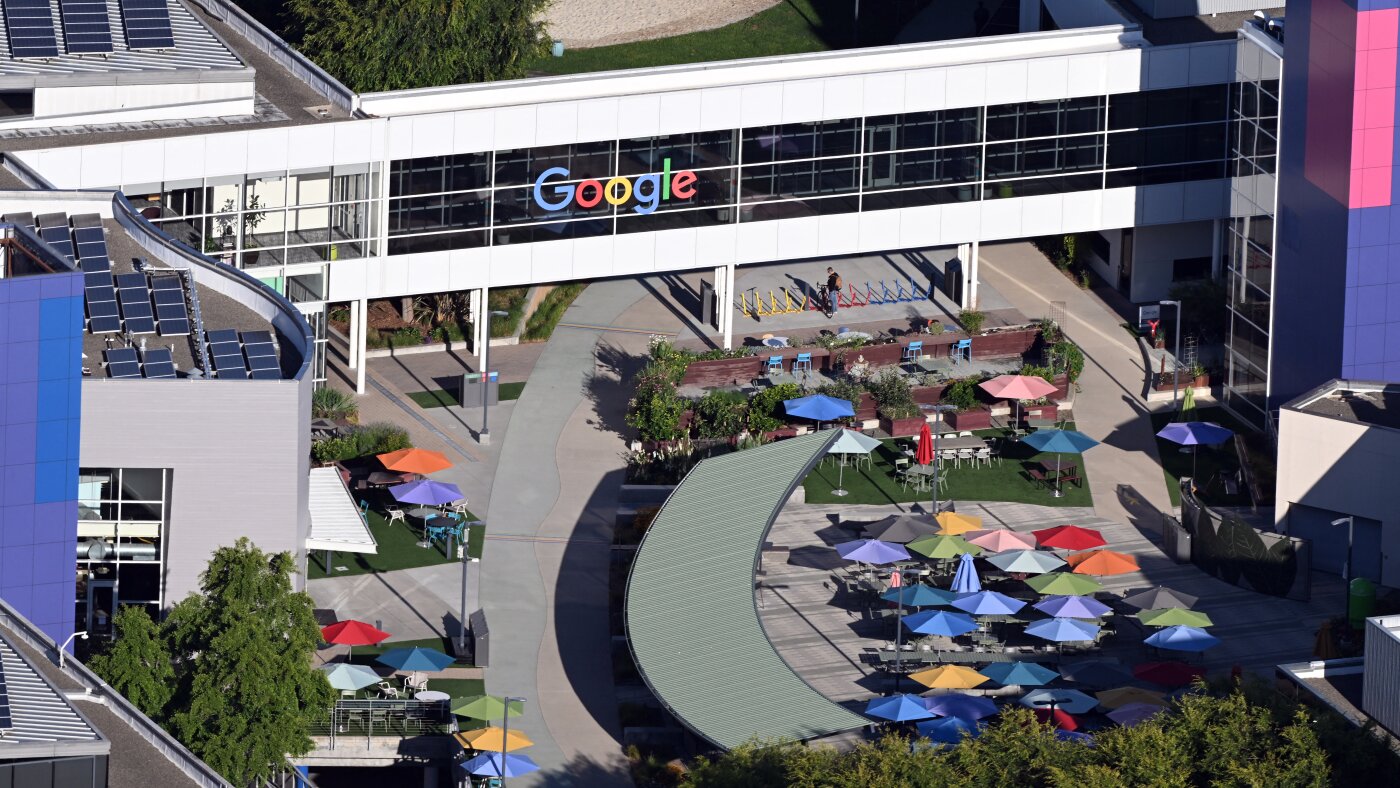
Polymarket Insider Trading Charges - highlights investor focus, market momentum, and changing financial conditions. The U.S. Department of Justice has filed criminal charges against a Google staffer accused of using insider information to generate approximately $1.2 million in profits on the prediction market site Polymarket. This marks the second known instance of federal prosecutors pursuing insider trading cases related to prediction market activity.
Live News
Polymarket Insider Trading Charges - highlights investor focus, market momentum, and changing financial conditions. Some traders combine sentiment analysis from social media with traditional metrics. While unconventional, this approach can highlight emerging trends before they appear in official data. The Department of Justice recently announced charges against a Google employee who allegedly leveraged confidential information to profit from trades on Polymarket, a cryptocurrency-based prediction market platform. According to the filing, the individual’s trades reportedly yielded around $1.2 million. The case represents the second time federal authorities have pursued criminal charges for insider trading on a prediction market site, signaling a growing enforcement focus on these relatively new financial venues. The allegations center on the misuse of non-public information that gave the employee an unfair advantage over other market participants. While details of the specific information remain undisclosed in publicly available summaries, the DOJ’s action underscores its view that prediction markets fall under existing securities or commodities laws. The first known case involved a former employee of another tech company, setting a precedent for this latest charge. Polymarket itself has not commented on the development.
DOJ Charges Google Employee for Insider Trading on Polymarket Prediction Platform The interplay between short-term volatility and long-term trends requires careful evaluation. While day-to-day fluctuations may trigger emotional responses, seasoned professionals focus on underlying trends, aligning tactical trades with strategic portfolio objectives.Diversification in data sources is as important as diversification in portfolios. Relying on a single metric or platform may increase the risk of missing critical signals.DOJ Charges Google Employee for Insider Trading on Polymarket Prediction Platform Structured analytical approaches improve consistency. By combining historical trends, real-time updates, and predictive models, investors gain a comprehensive perspective.Historical patterns can be a powerful guide, but they are not infallible. Market conditions change over time due to policy shifts, technological advancements, and evolving investor behavior. Combining past data with real-time insights enables traders to adapt strategies without relying solely on outdated assumptions.
Key Highlights
Polymarket Insider Trading Charges - highlights investor focus, market momentum, and changing financial conditions. Risk-adjusted performance metrics, such as Sharpe and Sortino ratios, are critical for evaluating strategy effectiveness. Professionals prioritize not just absolute returns, but consistency and downside protection in assessing portfolio performance. This case highlights several broader implications for the prediction market ecosystem. First, it suggests that U.S. regulators and prosecutors intend to apply traditional insider trading prohibitions to these platforms, which often operate in a regulatory gray area. The DOJ’s willingness to charge individuals for using inside information on prediction markets could deter similar behavior and increase compliance costs for operators like Polymarket. Second, the involvement of a major tech company employee—Google—may prompt employers to tighten internal policies around personal trading and access to sensitive data. Companies could potentially review their employees’ participation in prediction markets as part of broader compliance programs. The case may also encourage platform operators to enhance surveillance and reporting mechanisms to detect suspicious trading patterns.
DOJ Charges Google Employee for Insider Trading on Polymarket Prediction Platform Real-time tracking of futures markets often serves as an early indicator for equities. Futures prices typically adjust rapidly to news, providing traders with clues about potential moves in the underlying stocks or indices.Access to reliable, continuous market data is becoming a standard among active investors. It allows them to respond promptly to sudden shifts, whether in stock prices, energy markets, or agricultural commodities. The combination of speed and context often distinguishes successful traders from the rest.DOJ Charges Google Employee for Insider Trading on Polymarket Prediction Platform Access to multiple indicators helps confirm signals and reduce false positives. Traders often look for alignment between different metrics before acting.Market behavior is often influenced by both short-term noise and long-term fundamentals. Differentiating between temporary volatility and meaningful trends is essential for maintaining a disciplined trading approach.
Expert Insights
Polymarket Insider Trading Charges - highlights investor focus, market momentum, and changing financial conditions. Investors often balance quantitative and qualitative inputs to form a complete view. While numbers reveal measurable trends, understanding the narrative behind the market helps anticipate behavior driven by sentiment or expectations. For investors and participants in prediction markets, this development could signal an evolving regulatory landscape. While the markets offer novel ways to hedge or speculate on future events, the risk of legal action for insider trading appears real—particularly for individuals who hold positions with access to non-public information. The DOJ’s second charge in this area might lead to increased scrutiny from the Securities and Exchange Commission or other agencies. Looking ahead, the outcome of this case may set important legal precedents regarding how prediction market trades are classified under federal law. If courts uphold the DOJ’s interpretation, it could curtail some activities on these platforms or push them toward greater transparency. However, the broader impact remains uncertain, as regulatory frameworks for such markets are still developing. The long-term viability of prediction markets will likely depend on how they adapt to legal and compliance pressures. Disclaimer: This analysis is for informational purposes only and does not constitute investment advice.
DOJ Charges Google Employee for Insider Trading on Polymarket Prediction Platform Some traders adopt a mix of automated alerts and manual observation. This approach balances efficiency with personal insight.Volatility can present both risks and opportunities. Investors who manage their exposure carefully while capitalizing on price swings often achieve better outcomes than those who react emotionally.DOJ Charges Google Employee for Insider Trading on Polymarket Prediction Platform Some traders rely on historical volatility to estimate potential price ranges. This helps them plan entry and exit points more effectively.Real-time monitoring allows investors to identify anomalies quickly. Unusual price movements or volumes can indicate opportunities or risks before they become apparent.